Hot Take: Microsoft 365 + Power Platform Are Dead in an AI-Native World
M365 assumed work means creating and storing documents. Power Platform assumed the next evolution was letting non-engineers automate those documents. Both bets made sense in 2018. In an AI-native world, both assumptions collapse simultaneously.

M365 assumed work meant creating and storing documents. Power Platform assumed the next evolution meant letting non-engineers automate those documents with low-code tools. Both bets made sense in 2018. In an AI-native world, both assumptions collapse simultaneously.
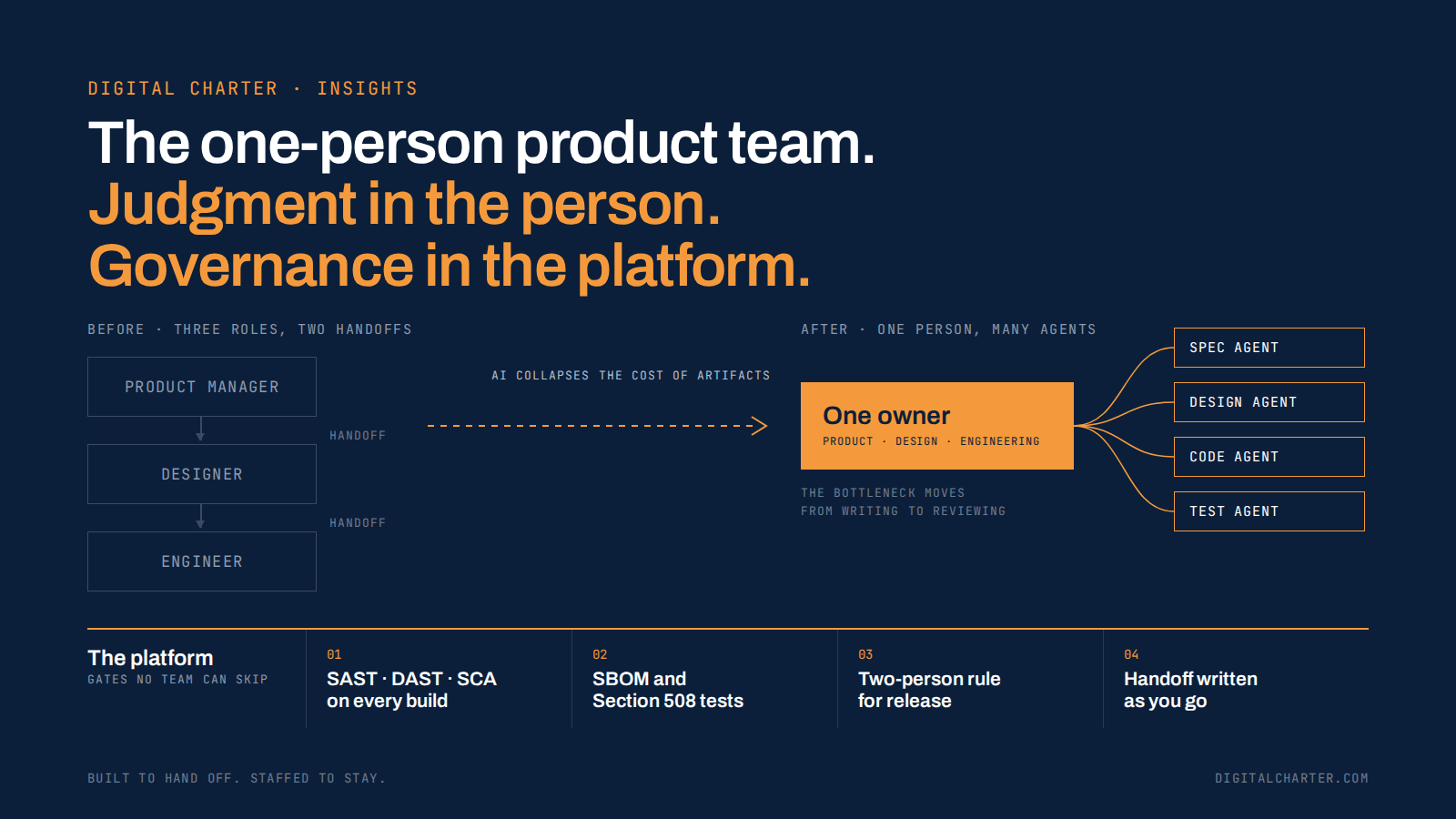
The document is no longer the work. Drag-and-drop automation is no longer the ceiling.
Why M365 Dies by Architecture, Not by Competition
1. The file paradigm becomes irrelevant. When an AI agent drafts, revises, formats, and sends a document in seconds, where the file lives stops mattering. OneDrive, SharePoint, local folder: it's all the same. Storage and organization were M365's moat. That moat is now a puddle.
2. Collaboration shifts from async docs to agent orchestration. Teams and SharePoint are built for humans passing files back and forth. AI-native work means defining goals and letting agents execute. The collaboration layer moves to task graphs, not document threads.
3. Outlook is structurally incompatible with AI-native communication. In an AI-native workflow, your inbox is auto-triaged, auto-responded, and summarized before you touch it. You don't check email; you review exception reports. Outlook's entire UX is optimized for a behavior that's being automated away.
4. Copilot is a retrofit, not a rebuild. Microsoft bolted Copilot onto every M365 product, but that's taxidermy: dressing up a corpse to look alive. A truly AI-native productivity suite wouldn't look like Word with a chat panel. M365 can't get there because it has $200B in installed base it can't cannibalize.
Why Power Platform Dies Even Faster
5. Power Automate is just prompt engineering with a worse interface. Power Automate's entire value prop was automating workflows without writing code. That was revolutionary in 2019. Today, you describe the workflow in plain English to an AI agent and it builds, tests, and deploys it. The drag-and-drop canvas doesn't add value; it adds friction. The no-code movement is being leapfrogged by the no-interface movement.
6. Power Apps is a low-code tool in a no-code world. Power Apps let citizen developers build internal apps without engineering resources. Now those same citizen developers can describe an app to Claude or GPT and get a working prototype in minutes: deployed, iterable, and not locked into Microsoft's licensing or connector ecosystem. The entire market Power Apps was capturing is evaporating.
7. Power BI's moat is data access, not visualization. Power BI survives the longest because enterprise data connections are genuinely hard. But the front end (dashboards, reports, slicers) is being commoditized by AI-generated analysis. "Give me a breakdown of Q3 revenue by region" should not require a BI developer building a report. When AI can query, interpret, and narrate data on demand, the dashboard as a product loses most of its value. What remains is a data governance and connectivity layer, not a BI tool.
8. Copilot Studio is DOA. Microsoft's answer to the AI agent wave was Copilot Studio: a low-code tool for building AI agents and chatbots on top of M365. The problem is that you're paying Microsoft for a restricted, connector-taxed, license-metered tool to build AI agents, when open platforms let you build more capable agents with fewer constraints and lower cost. Copilot Studio competes with OpenAI, Anthropic, and LangChain while being hamstrung by the need to protect M365 commercial relationships. That's not a competition; it's a structural conflict of interest.
The Combined Verdict on the Stack
What Kills It in Practice
- Vertical AI tools hollow out M365 one use case at a time: Notion AI, Linear, Cursor, Harvey, Hex.
- Agentic platforms become the interface layer. Why open Power Automate when you can tell an agent what to automate?
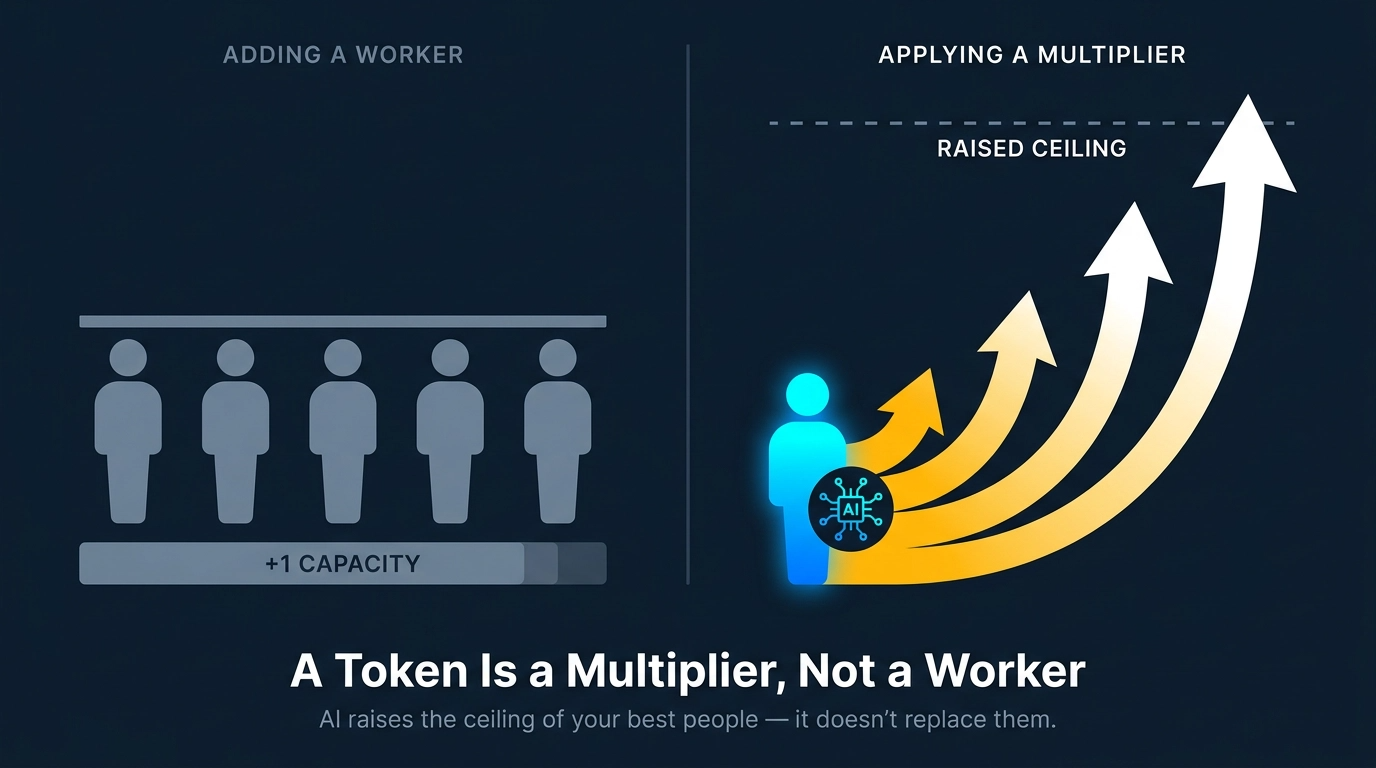
- The enterprise seat model breaks. M365 and Power Platform both charge per user per month. In an AI-native org, headcount shrinks while output scales. The seat model is structurally exposed.
- The connector tax becomes untenable. Power Platform charges for premium connectors to link to external services. AI-native tools treat API connectivity as table stakes, not a revenue line.
The Steel Man
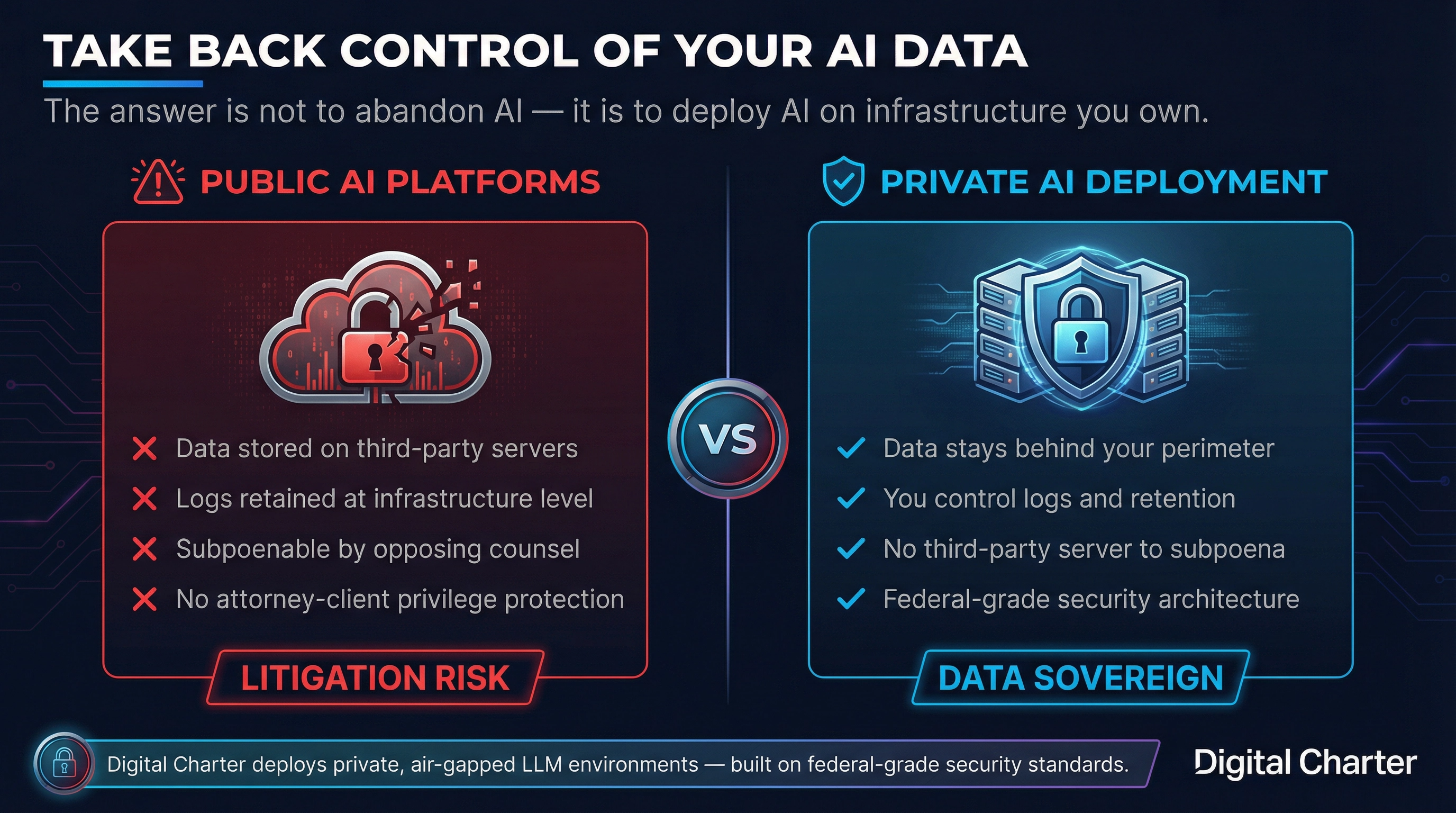
Microsoft owns identity (Entra), compliance, and procurement relationships in regulated industries. For federal, healthcare, and finance buyers, M365 and Power Platform persist as infrastructure, not because they're competitive, but because switching costs are real and compliance requirements are punishing. They'll keep billing. They just won't be where work actually happens.
The Real Verdict
M365 becomes IT plumbing. Power Platform becomes the thing your legacy automation team maintains because nobody wants to migrate off it. Neither gets new strategic investment from buyers who are thinking clearly.
The winning bet is AI-native work surfaces built around goals, not files, and agents, not flows.
Every organization running Power Automate flows and Power Apps they barely use is sitting on wasted spend and an AI workflow conversation waiting to happen. If that describes your stack, it's worth an honest look before the next renewal.